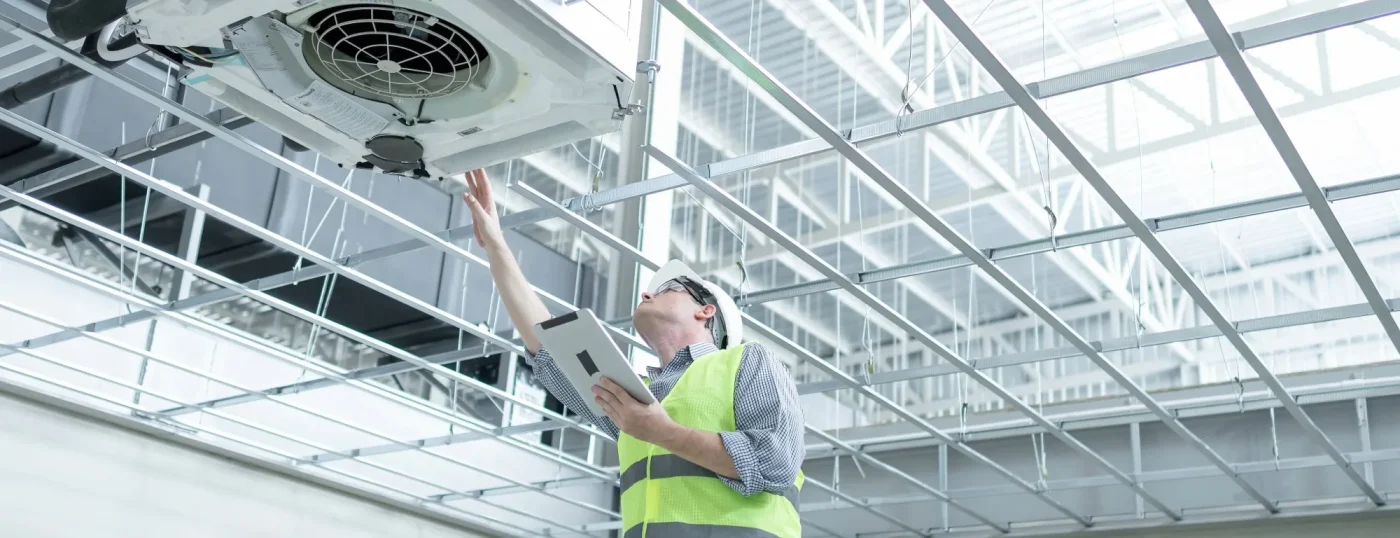
For many businesses, heating, ventilation, and air conditioning (HVAC) systems are critical components that ensure comfort, productivity, and safety.
Yet, despite their importance, HVAC systems are often overlooked until a fault occurs, leaving businesses exposed to unexpected downtime, higher operational costs, or even compliance issues.
Investing in regular HVAC maintenance is more than just a technical necessity – it is a proactive strategy that safeguards equipment, enhances efficiency, and ensures that a business can operate smoothly year-round.
Ensuring comfort and productivity
A well-maintained HVAC system has a direct impact on the comfort of employees, customers, and visitors. Temperature extremes or uneven airflow can create uncomfortable working conditions, reducing productivity and morale.
In environments such as offices, retail spaces, or healthcare facilities, poor air quality can also affect cognitive function, concentration, and overall well-being. By prioritising HVAC maintenance, businesses ensure that indoor conditions remain optimal, supporting both employee satisfaction and operational efficiency.
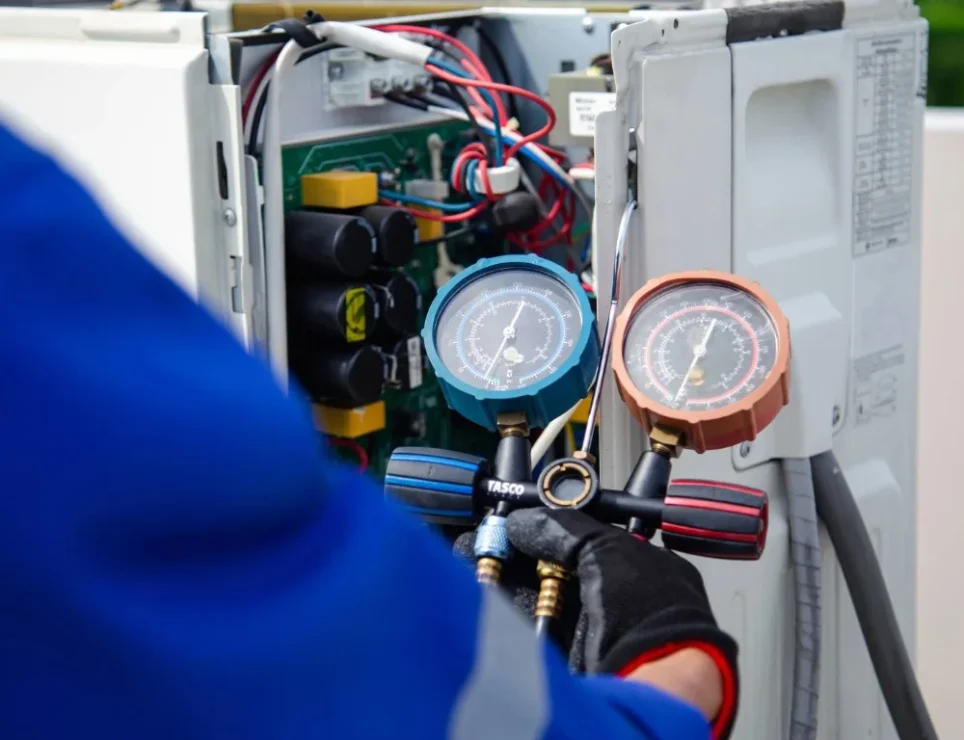
Regular servicing also prevents small issues from escalating into major problems. Simple tasks such as cleaning filters, checking refrigerant levels, or inspecting ductwork can prevent airflow restrictions and system strain. Neglecting these routine checks can lead to inefficient operation, resulting in higher energy consumption and escalating costs.
For organisations looking to manage operational budgets effectively, investing in consistent HVAC maintenance is one of the most cost-effective ways to safeguard against unnecessary expenditure.
Energy efficiency and cost savings
Modern HVAC systems are designed to operate efficiently, but without regular maintenance, energy wastage can become significant. Dust accumulation, blocked air filters, and poorly calibrated controls force systems to work harder than necessary, consuming more energy and increasing utility bills.
Businesses that invest in air conditioning maintenance or full mechanical system inspections often see measurable reductions in energy usage, directly impacting their bottom line.
Beyond energy efficiency, proactive maintenance extends the lifespan of expensive equipment. Mechanical and electrical components, from motors and compressors to fans and ductwork, experience wear over time.
By scheduling regular inspections and servicing, businesses can identify worn or damaged components early, preventing catastrophic failures that could require costly replacements or extended downtime. In sectors such as pharmaceutical or healthcare, where environmental conditions must meet strict standards, avoiding unplanned outages is a regulatory requirement.
Compliance and health considerations
In addition to operational efficiency, HVAC maintenance plays a crucial role in ensuring compliance with health and safety regulations. Businesses are responsible for providing safe, hygienic environments, particularly in sectors such as healthcare, laboratories, and food processing. Poorly maintained systems can foster the growth of bacteria, mould, or other airborne contaminants, creating health risks for staff and visitors alike.
For example, Legionella bacteria can thrive in water systems that are part of an HVAC installation, especially in cooling towers or water-cooled systems. Regular checks and Legionella risk assessments help identify potential problems, ensuring compliance with water safety regulations and protecting the health of everyone in the building.
Similarly, ensuring that ventilation and air filtration systems operate effectively supports indoor air quality, reducing the risk of airborne contaminants and allergens.
Minimising downtime and disruption
Unexpected HVAC failures can disrupt business operations, particularly in environments that rely on precise temperature or airflow control. Data centres, laboratories, and manufacturing facilities, for instance, require stable environmental conditions for critical processes.
A sudden breakdown of a heating or cooling system can result in damaged equipment, production delays, or compromised product quality. Scheduled mechanical and electrical installations and preventative HVAC maintenance reduce the likelihood of these disruptions.
By systematically inspecting, testing, and servicing components, businesses can identify issues before they cause failure, enabling timely repairs and maintaining uninterrupted operations. In sectors such as manufacturing, where downtime can have significant financial and operational implications, the value of proactive maintenance cannot be overstated.
Protecting your investment
HVAC systems represent a significant capital investment. Installing, upgrading, or retrofitting these systems requires careful planning and expenditure, whether for a commercial office, retail environment, or industrial facility.
Once installed, protecting that investment through ongoing facilities management and regular HVAC maintenance ensures that the system continues to deliver its intended performance.
Neglecting maintenance can accelerate equipment degradation, reducing operational efficiency and leading to early replacement costs. Conversely, businesses that implement a structured maintenance schedule can extend the operational life of their systems, ensuring that the initial investment delivers maximum value over the long term.
Tailored maintenance for different environments
Every business environment has unique requirements. Hospitals, laboratories, and pharmaceutical plants demand exacting standards for temperature, humidity, and air quality. Manufacturing sites may require robust ventilation to handle dust, fumes, or airborne particles, while office buildings and retail spaces prioritise comfort and energy efficiency.
Scope works with businesses across these sectors to deliver bespoke air conditioning, ventilation, and broader mechanical solutions. Our facilities management approach ensures that maintenance schedules are tailored to the specific needs of each environment, combining technical expertise with practical operational knowledge.
By addressing the unique demands of different industries, businesses can maintain regulatory compliance, protect staff and visitors, and operate efficiently.
The role of expert technicians
Professional maintenance is critical. A trained HVAC technician not only understands the system’s mechanics but can also identify potential risks, optimise performance, and ensure compliance with industry standards.
Our engineers are experienced across mechanical and electrical systems, including complex installations such as ATEX mechanical (Ex11) environments, coded welding pipework, and specialist gas systems.
Working with experienced technicians ensures that maintenance is carried out safely, efficiently, and effectively. By combining technical skill with regular inspections, reporting, and preventative action, businesses can be confident that their HVAC systems will perform reliably throughout the year.
Long-term planning and sustainability
Modern businesses are increasingly focused on sustainability and environmental impact. Well-maintained HVAC systems consume less energy, operate more efficiently, and reduce carbon emissions. By implementing regular mechanical and electrical installations inspections and maintenance, organisations can achieve sustainability goals while improving operational reliability.
Furthermore, maintenance programs allow for proactive system upgrades and retrofits. Whether it’s replacing outdated components, installing advanced controls, or integrating energy-efficient technologies, businesses can evolve their HVAC infrastructure over time, maintaining performance while reducing environmental impact.
Why choose Scope Building Services?
Choosing the right partner for HVAC maintenance is about securing the safety, efficiency, and longevity of your building systems. At Scope, we combine extensive technical knowledge with practical experience, delivering reliable solutions that keep businesses running smoothly across the North East and beyond.
Our team has experience working across commercial, industrial, and healthcare environments, providing tailored services that address the unique challenges of each sector.
By working with Scope, you gain a partner who prioritises proactive, scheduled maintenance. Regular HVAC maintenance not only prevents costly downtime and unexpected failures but also extends the lifespan of your systems, maximising the value of your investment.
Our engineers are trained across mechanical and electrical installations, air conditioning, plantroom systems, and facilities management, ensuring every component of your infrastructure is optimised for performance, safety, and compliance.
We also take compliance seriously. Every inspection, service report, and maintenance record is meticulously documented, giving you clear evidence of regulatory adherence. This protects your business from potential penalties and supports operational planning, budgeting, and risk management.
Our approach combines technical precision with practical solutions, so your systems remain efficient, safe, and reliable, whatever the size or complexity of your building.
Choosing Scope means working with a team that understands your sector-specific needs. From offices and retail spaces to pharmaceutical plants, hospitals, and industrial facilities, we tailor our services to deliver measurable results. With our team, you’re investing in peace of mind, long-term reliability, and operational excellence.
Get in touch today to discuss how we can support your business with expert HVAC maintenance and keep your systems performing at their best.