Legionella is a potentially harmful bacterium that can thrive in water systems if not properly managed.
Exposure to contaminated water can lead to Legionnaires’ disease, a serious form of pneumonia that poses significant health risks to employees, visitors, and clients. For businesses, maintaining safe water systems is not only a legal requirement but a critical step in safeguarding people and protecting your organisation’s reputation.
At Scope Building Services, we provide comprehensive Legionella water testing services that combine risk assessment, sampling, reporting, and preventative measures to keep your water systems safe and compliant.
Understanding Legionella and its risks
Legionella bacteria grow in warm, stagnant water, typically between 20°C and 45°C. The bacteria can spread through aerosolised water droplets, which makes showers, taps, cooling towers, and decorative fountains potential sources of exposure. Left untreated, Legionella can lead to serious illness, operational disruption, legal penalties, and reputational damage.
Businesses with complex water systems, such as hospitals, industrial plants, residential blocks, and hotels, are particularly at risk. A single outbreak can result in significant operational and financial consequences, alongside the ethical and legal implications of failing to protect people on site. Regular Legionella water testing is therefore essential to prevent outbreaks and maintain a safe environment for everyone.
Legal obligations and compliance
In the UK, businesses are legally required to manage the risk of Legionella under the Health and Safety at Work Act 1974 and the Control of Substances Hazardous to Health (COSHH). The Health and Safety Executive (HSE) provides clear guidance on assessing and controlling Legionella risks. Organisations must undertake regular risk assessments, implement control measures, and maintain accurate records of inspections and testing.
Failing to comply with these regulations can result in fines, legal action, or reputational damage. Regular Legionella water testing ensures businesses demonstrate due diligence and compliance with all regulatory requirements, providing evidence that appropriate measures have been taken to protect staff, visitors, and clients.
Common risk areas in water systems
Legionella can thrive in various areas of a building’s water system, particularly where stagnation, temperature variation, or poor system design exists. Key risk areas include:
- Hot and cold water systems: Inefficient circulation or inconsistent temperatures create ideal conditions for bacterial growth.
- Cooling towers: Large volumes of water exposed to warm ambient temperatures are a common source of Legionella.
- Storage tanks and pipework: Stagnant water in poorly maintained or unused outlets increases risk.
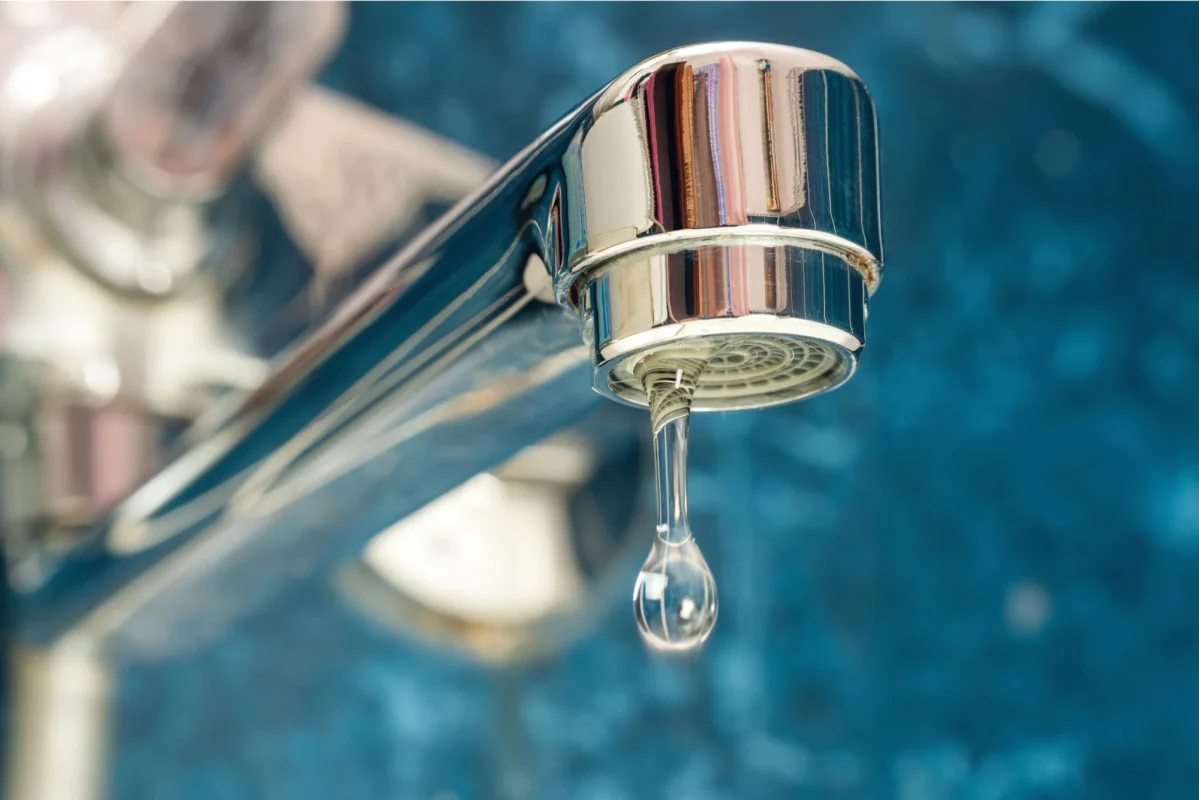
- Showers and taps: Aerosolised water makes these points highly susceptible to bacteria exposure.
- Decorative fountains and water features: Often overlooked, these systems require regular cleaning and treatment to prevent bacterial growth.
Identifying and understanding these risk areas allows businesses to focus monitoring and preventative actions where they are most effective, minimising risk and ensuring compliance.
Our comprehensive Legionella water testing process
Our team follows a structured, professional approach to Legionella water testing. Our process begins with a detailed risk assessment to identify potential problem areas and evaluate existing control measures. Engineers examine water systems, storage tanks, pipework, showers, and cooling towers, assessing temperature regulation, circulation, and potential stagnation.
Following the assessment, water samples are collected from key points and analysed in accredited laboratories. These tests determine the presence and concentration of Legionella bacteria, allowing our team to determine appropriate remedial measures.
After testing, we provide a comprehensive report detailing the findings, highlighting potential risks, and recommending actions to mitigate contamination. These recommendations may include flushing systems, disinfecting tanks, adjusting operational procedures, or introducing ongoing monitoring programs. By combining testing with clear, actionable advice, we enable businesses to proactively manage Legionella risk.
Preventative measures and long-term monitoring
Testing is just one element of effective Legionella control. Scope provides ongoing preventative measures and monitoring to ensure water systems remain safe. These measures include:
- Temperature control: Maintaining water systems at safe temperatures to minimise bacterial growth.
- Regular flushing: Preventing stagnation by routinely flushing seldom-used outlets.
- Disinfection: Cleaning and treating tanks, pipework, and associated equipment.
- Monitoring programmes: Installing equipment to track water temperatures, chemical treatment levels, and overall system performance.
Integrating Legionella water testing into an overall facilities management schedule ensures that systems remain compliant and safe year-round, reducing operational risks and protecting both people and property.

Sector-specific considerations
At Scope, we understand that no two water systems, or work environments, are exactly alike. Each sector brings its own technical demands, compliance standards, and operational pressures. That’s why our Legionella water testing approach is tailored to meet the exact needs of the industries we serve across the North East and wider North of England.
Pharmaceutical and manufacturing facilities
These sites operate complex water and cooling systems where even minor contamination can compromise product safety and regulatory compliance. Our engineers work closely with quality and facilities teams to design precise monitoring schedules, manage water temperatures, and ensure systems meet strict industry standards.
By combining Legionella water testing with broader mechanical and electrical engineering support, we help maintain sterile, compliant environments where reliability is non-negotiable.
Healthcare environments
Hospitals and clinical settings face particularly high stakes when it comes to water hygiene. Vulnerable patients, specialist equipment, and sensitive infrastructure demand absolute assurance that water systems are safe and carefully monitored.
Our testing and reporting processes are designed to align with NHS and HTM guidance, ensuring robust control and rapid response procedures across wards, laboratories, and service areas.
Industrial and heavy engineering sites
Large-scale industrial systems, such as those in paint manufacturing, energy, or process facilities, contain extensive pipework and plantrooms that require ongoing vigilance. Our engineers understand the operational pressures of these environments and deliver practical, efficient solutions that minimise downtime.
By integrating water testing with plantroom installations, NDT inspection, and coded welding, we help clients maintain safety and performance without disrupting production.
Commercial buildings and offices
In commercial and corporate spaces, building owners and facilities managers must ensure compliance while maintaining a comfortable, productive environment. From office complexes to logistics centres, we support safe operations through scheduled testing, system flushing, and documentation that meets audit and insurance requirements. Our proactive approach helps reduce risk while protecting business continuity.
Residential and multi-occupancy properties
Apartment blocks, housing developments, and mixed-use buildings carry a duty of care to ensure tenant safety. Our team provides regular Legionella water testing, risk assessments, and remedial works that keep water systems clean, compliant, and fully documented.
Whether supporting landlords, property managers, or maintenance contractors, we deliver straightforward, reliable service that safeguards both residents and reputation.
Whatever the setting, our experienced engineers bring a consistent commitment to safety, compliance, and quality. By tailoring our approach to the unique needs of each sector, we ensure that every client receives targeted, effective support that keeps their water systems protected year-round.
Integrating testing with facilities management
Effective water safety is most successful when integrated into broader maintenance programs. Scope combines Legionella water testing with mechanical and electrical installations, plantroom systems, and wider facilities management strategies.
This approach allows businesses to:
- Coordinate inspections and maintenance schedules efficiently.
- Reduce downtime through proactive identification of issues.
- Streamline reporting and documentation for compliance purposes.
- Optimise operational efficiency and long-term reliability.
By embedding water safety into a holistic maintenance plan, organisations can maintain compliance, improve efficiency, and prevent costly system failures.
Why choose Scope Building Services?
Partnering with Scope for Legionella water testing delivers multiple benefits:
Experienced engineers with sector-specific expertise in commercial, healthcare, residential, and industrial environments.
- Comprehensive testing, risk assessment, and detailed reporting.
- Preventative programs and ongoing monitoring to keep systems safe year-round.
- Integration with mechanical and electrical installations and facilities management for seamless operations.
- Clear documentation to demonstrate regulatory compliance.
- Tailored, practical solutions that address the unique requirements of each building and sector.
- Our team ensures that all water systems are safe, compliant, and efficiently maintained, giving businesses peace of mind that their staff, tenants, and visitors are protected.
Get in touch today to discuss how Scope’s professional Legionella water testing services can safeguard your water systems, maintain compliance, and keep your facilities running efficiently.